Why strength training and smart recovery belong together at every age

Growing up I used to experience a lot of lower back pain. A couple of times a year my lower back would seize and I'd have a hard time moving around. Sometimes I'd have to wear a brace around my waist just so I could function and not call in sick from my hospitality job and lose income. A scan showed I had mild scoliosis and some arthritis in my lumbar spine. Working as a massage therapist put a lot of stress on my lower back too, leaning over the table, especially with a table that wasn't electric so I couldn't adjust the height through a session. It took a long time to figure out that one of my issues was my glutes getting really tight and pulling on my lower back, leaving me in pain and immobile for days on end. Now I self massage my glutes with a spiky ball as often as I can to release the tension that builds up from my gym workouts, my work and just day to day activities. It's helped me feel a lot freer in my lower back. I've also made a concerted effort to add exercises that strengthen my lower back and core.
Although the glutes are part of my story, lower back pain isn't always about the muscles of the lower back itself. Sometimes it comes from your hip flexors. Since your psoas muscle is attached to your lumbar spine, tightness there can show up as lower back symptoms even though the real problem lies in the muscles on the anterior aspect of your body, the muscles that let you flex your hip. If you're sitting a lot, if you're doing a lot of hip flexion activities like rowing or cycling, if you experience a lot of abdominal pain due to endometriosis or similar conditions, then your hip flexors can become tight and overactive from the constant bracing. Your side glutes (glute med) can become tight from certain activities like running, and tight hamstrings can have an impact on your lower back too. If it's not pulling from the lower half like your glutes or hamstrings, sometimes the tension is coming from the low back extensors themselves, your erector spinae, working overtime right where you feel it.
According to the Australian Institute of Health and Welfare, 4.0 million people in Australia self-reported as living with back problems in the 2022 ABS National Health Survey. The most recent Australian guidelines for non-specific low back pain (published 2018) encourage reassurance, self-management and physical therapy as first-line care, with things like heat, massage, acupuncture and mindfulness added where appropriate.
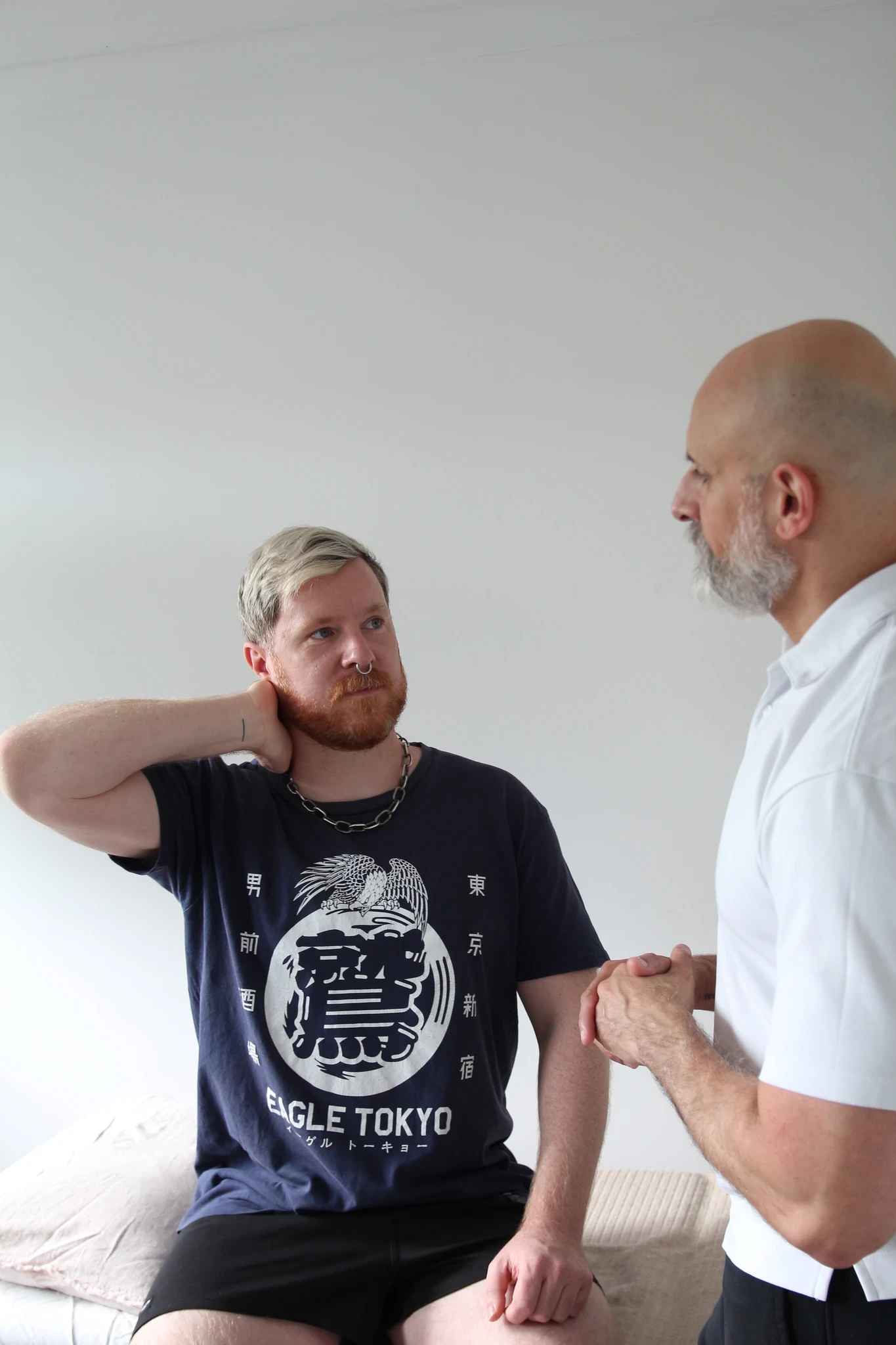
A myotherapy session helps assess what might be causing or contributing to your lower back pain, then addresses it by targeting the specific muscles, whether that’s the hamstrings, the erectors or a psoas issue. It’s tempting to go straight to where it hurts and treat that. But local pain is often just one symptom of a complex system involving the lumbar spine, the hip joints and every muscle that attaches to the pelvic girdle. At BodyWide, the important thing is figuring out what’s actually driving the symptoms and treating accordingly, whether that’s with massage, cupping or dry needling.
If you’re dealing with low back pain, book your next session today.